|
University of Houston associate professor of clinical psychology, Matthew Gallagher, has added his voice to a debate that spans the ages — the importance of hope. Gallagher reports in Behavior Therapy that hope is a trait that predicts resilience and recovery from anxiety disorders.
The concept of hope has long stirred opinion. In the sixteenth century, Martin Luther celebrated its power, claiming “Everything that is done in this world is done by hope.” Two centuries later, Benjamin Franklin warned that “He that lives upon hope will die fasting.” Into the conversation, Gallagher reports that psychotherapy can result in clear increases in hope and that changes in hope are associated with changes in anxiety symptoms. More than pure philosophy, Gallagher has empirical evidence. His study examined the role of hope in predicting recovery in a clinical trial of 223 adults in cognitive behavior therapy (CBT) for one of four common anxiety disorders: social anxiety disorder, panic disorder, generalized anxiety disorder and obsessive-compulsive disorder. Re-published from "Neuroscience News" magazine from TechnologyNetworks. Original story by the University of Malaga Depression is one of the most widespread disorders that affects society, according to the World Health Organization. In fact, it is estimated that 4 million people are affected in Spain.
There are different pharmacological treatments for depression, mainly therapies that act on the serotonin system -the so-called SSRIs (selective serotonin reuptake inhibitors). However, it has been evidenced that these antidepressants take around two weeks to have an effect and, what's more, around 30% of patients are resistant to this drug. Researchers of the Department of Human Physiology of the UMA Faculty of Medicine have taken a step closer to a new therapeutic target to face this mental disorder. Re-published from "Neuroscience News" magazine from TechnologyNetworks. Original story from Columbia University A Columbia University study has found that adversity early in life is associated with increased gastrointestinal symptoms in children that may have an impact on the brain and behavior as they grow to maturity.
The study was published online March 28 in the journal Development and Psychopathology. “One common reason children show up at doctors’ offices is intestinal complaints,” said Nim Tottenham, a professor of psychology at Columbia and senior author on the study. “Our findings indicate that gastrointestinal symptoms in young children could be a red flag for future emotional health problems.” Scientists have long noted the strong connection between the gut and brain. Re-published from "Neuroscience News" magazine from TechnologyNetworks. Original Press Release from the Vrije Universiteit Amsterdam An international team of researchers has identified, for the first time, the cell types, areas and biological processes in the brain that mediate the genetic risk of insomnia. This was made possible by assessing DNA and sleep features in no less than 1.3 million people. The findings are a major step towards getting a grip on the biological mechanisms that cause insomnia.
Insomnia is one of the most common disorders. Many people occasionally have a bad night of sleep. One out of ten people chronically experience poor sleep and suffer severely from the daytime consequences. Worldwide, 770 million people have chronic insomnia. Photo credit: Troy Benson, source: Flickr New research shows a quarter of girls (24%) and one in 10 boys (9%) are depressed at age 14.
Researchers from the UCL Institute of Education and the University of Liverpool analysed information on more than 10,000 children born in 2000-01 who are taking part in the Millennium Cohort Study. At ages 3, 5, 7, 11 and 14, parents reported on their children’s mental health. Then, when they reached 14, the children were themselves asked questions about their depressive symptoms. Based on the 14-year-olds reporting of their emotional problems, 24 per cent of girls and 9 per cent of boys suffer from depression. The research, published with the National Children’s Bureau, also investigated links between depressive symptoms and family income. Generally, 14-year-olds from better-off families were less likely to have high levels of depressive symptoms compared to their peers from poorer homes. BY ANTONINA MIKOCKA-WALUS, SENIOR LECTURER IN HEALTH PSYCHOLOGY, DEAKIN UNIVERSITY Talk therapy can help those with chronic gastrointestinal conditions
It’s widely recognised that emotions can directly affect stomach function. As early as 1915, influential physiologist Walter Cannon noted that stomach functions are changed in animals when frightened. The same is true for humans. Those who stress a lot often report diarrhoea or stomach pain. We now know this is because the brain communicates with the gastrointestinal system. A whole ecosystem comprising 100 trillion bacteria living in our bowels is an active participant in this brain-gut chat. Recent discoveries around this relationship have made us consider using talk therapy and antidepressants as possible treatments for symptoms of chronic gut problems. The aim is to interfere with the conversation between the two organs by telling the brain to repair the faulty bowel. Our research found talk therapy can improve depression and the quality of life of patients with gastrointestinal conditions. Antidepressants may also have a beneficial effect on both the course of a bowel disease and accompanying anxiety and depression. BY JOSEPH PAUL FORGAS, SCIENTIA PROFESSOR OF PSYCHOLOGY, UNSW Photo source: Freepik The range of human emotions includes many more negative than positive feelings for good reason
Homo sapiens is a very moody species. Even though sadness and bad moods have always been part of the human experience, we now live in an age that ignores or devalues these feelings. In our culture, normal human emotions like temporary sadness are often treated as disorders. Manipulative advertising, marketing and self-help industries claim happiness should be ours for the asking. Yet bad moods remain an essential part of the normal range of moods we regularly experience. Despite the near-universal cult of happiness and unprecedented material wealth, happiness and life satisfaction in Western societies has not improved for decades. It’s time to re-assess the role of bad moods in our lives. We should recognise they are a normal, and even a useful and adaptive part of being human, helping us cope with many everyday situations and challenges. BY JOANNA DOLEY, PHD CANDIDATE, SCHOOL OF PSYCHOLOGY AND PUBLIC HEALTH, LA TROBE UNIVERSITY, SUSAN J PAXTON FAPS, PROFESSOR, SCHOOL OF PSYCHOLOGY AND PUBLIC HEALTH, LA TROBE UNIVERSITY Unhelpful stereotypes that disguise the true extent of eating disorders are present in the Netflix series
To the Bone – a film about a turning point in a young woman’s battle with anorexia nervosa – has attracted comment from mental health professionals and advocates. Critics have concerns it could cause or worsen eating disorder symptoms. The writer-director of To the Bone assured audiences she wished to dispel myths, not do harm. So which aspects of the new film might do harm, and which might educate the audience in a positive way? How might the film cause harm? BY THE PSYCHLOPAEDIA TEAM - THE AUSTRALIAN PSYCHOLOGICAL SOCIETY Partners, parents, even a pet: one in 20 Australians struggle to cope with being apart from their loved ones.
Separation anxiety has long thought to be the domain of small children. The familiar developmental stage, in which the absence of a parent or loved one causes deep upset, typically kicks in during infancy. With patience and reassurance, separation anxiety generally recedes within months or a few years without psychological treatment. Psychiatrists have long argued that its effects have ended by adulthood.
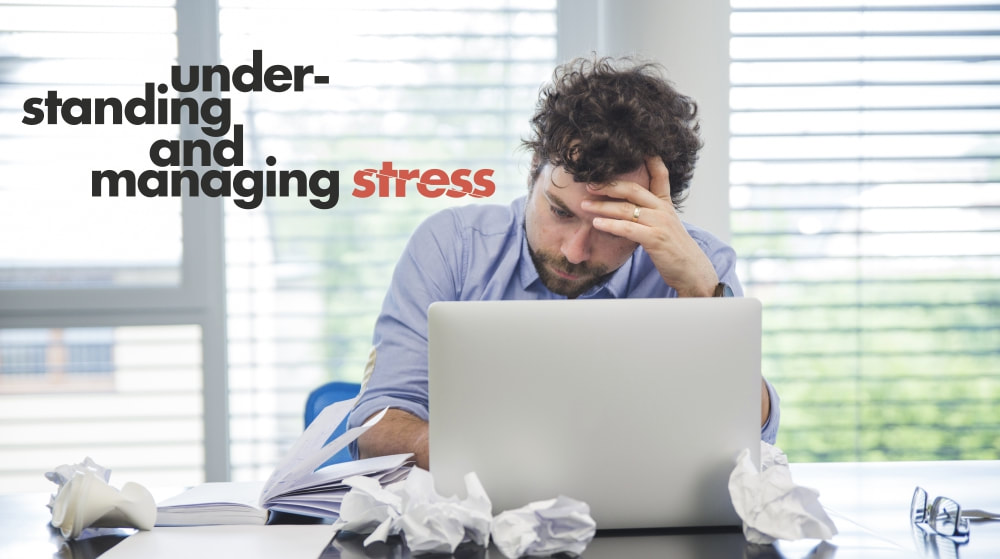
Stress is often described as a feeling of being overloaded, wound-up tight, tense and worried. We all experience stress at times. It can sometimes help to motivate us to get a task finished,or perform well. But stress can also be harmful if we become over-stressed and it interferes with our ability to get on with our normal life for long.
What are the signs of stress? What types of stress are there? When to seek professional help? For tips on how to manage everyday stress, download our Stress Tips Sheet. |
Categories
All
|


RSS Feed