|
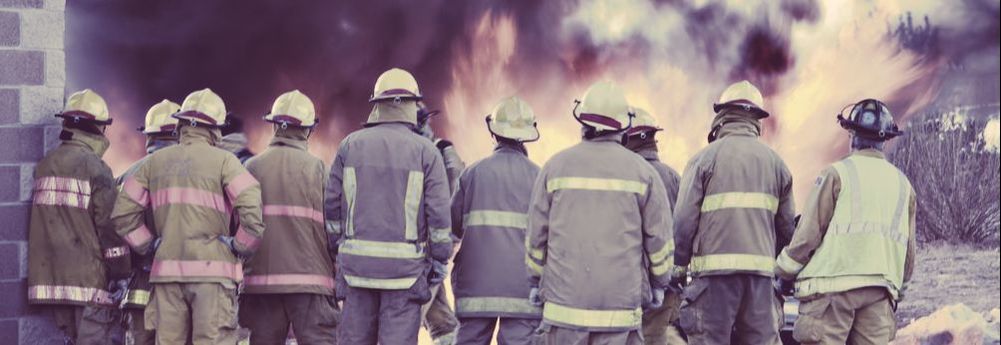
BY THE PSYCHLOPAEDIA TEAM - THE AUSTRALIAN PSYCHOLOGICAL SOCIETY Many professions - paramedics, police, firefighters - involve helping people in traumatic circumstances but witnessing trauma has its own effects that can haunt people for life.
When we think about workplace safety, we often think about introducing or improving initiatives to ensure the physical safety of workers. In recent years, there’s also been a growing awareness around ensuring not just the physical but also the psychological wellbeing of employees, with more organisations now working to manage the impact of vicarious trauma in the workplace. While vicarious trauma will never be eliminated from trauma-exposed workplaces, it is possible for organisations to effectively manage it, which has been shown to reduce attrition rates and unplanned absences, and boost the workplace culture. BY JOSEPH PAUL FORGAS, SCIENTIA PROFESSOR OF PSYCHOLOGY, UNSW Photo source: Freepik The range of human emotions includes many more negative than positive feelings for good reason
Homo sapiens is a very moody species. Even though sadness and bad moods have always been part of the human experience, we now live in an age that ignores or devalues these feelings. In our culture, normal human emotions like temporary sadness are often treated as disorders. Manipulative advertising, marketing and self-help industries claim happiness should be ours for the asking. Yet bad moods remain an essential part of the normal range of moods we regularly experience. Despite the near-universal cult of happiness and unprecedented material wealth, happiness and life satisfaction in Western societies has not improved for decades. It’s time to re-assess the role of bad moods in our lives. We should recognise they are a normal, and even a useful and adaptive part of being human, helping us cope with many everyday situations and challenges. By Maria Tedesco - Clinical Psychologist Christmas, for some people, is a time for family, friends, gifts and holidays. It can also be a time for spirituality, reflection and prayer. Yet, for many it is a difficult time, and there are reasons why this may be the case.
Christmas can be a time of expectation and pressure. Families are supposed to “get along”, and this is not always possible. Some families have endured trauma or conflict amongst their members. There is nothing like the expectation and pressure of Christmas to place a magnifying glass on family feuds, fallouts and breakups. For some, who have experienced bereavement through loss, divorce or separation it can be a very difficult time. Often a Christmas without the person we once loved is a painful time, and a deep ‘solitary sadness’ can be experienced. We understand how important it is to provide real emotional and professional support to people experiencing a hard time during the Christmas holidays period. Clinical psychologists Teresa D’Amato and Maria Tedesco at Thinkwell Psychology are available for consultations during the Christmas period as follows: The team of therapists at Thinkwell Psychology is available for consultations as follows:
Bookings can be made by phone (6361 1275) or online.
Natural disasters, like floods and bush fires, are a frequent occurrence in Australia. Research has shown they have deep emotional and psychological impacts on people and communities involved.
DR SUSIE BURKE FAPS is a Senior Psychologist with the AUSTRALIAN PSYCHOLOGICAL SOCIETY. In this video, she talks about how to care for people's needs after such traumatic events and help them on the road of recovery after a natural disaster.
By Maria Tedesco - Clinical Psychologist
One of the most significant experiences for any person is heartbreak. The loss of a loved one through divorce or separation impacts the psychological well-being of a person in a way probably best described by writers, poets and musicians. Why? Because they have a way of capturing the emotional turbulence entwined with the processes of "Falling out of Love".
When you fall out of love,
your soul drowns into a bath of suffocation. It wanders, lost in a realm of pain and heartache, worse than any imaginable nightmare (Logan LaFetch 2013) |
Categories
All
|

RSS Feed