|
Re-published from "Neuroscience News" magazine from TechnologyNetworks. Original Press Release from Rice University At work, it’s healthier and more productive just to be yourself, according to a new study from Rice University, Texas A&M University, the University of Memphis, Xavier University, Portland State University and the University of California, Berkeley.
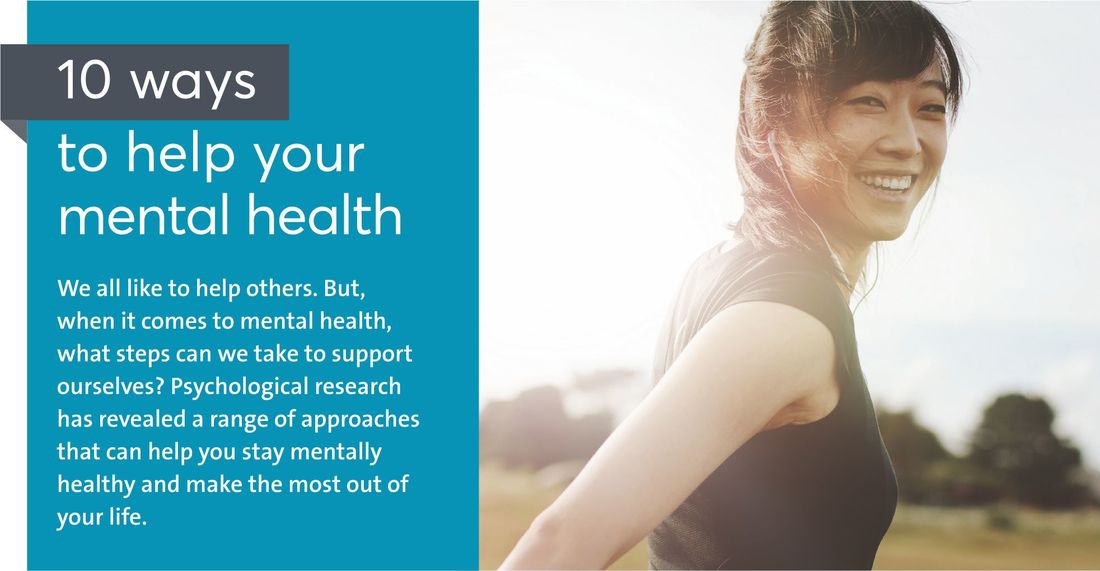
The study, “Stigma Expression Outcomes and Boundary Conditions: A Meta-Analysis” will appear in an upcoming edition of the Journal of Business and Psychology. It examines 65 studies focusing on what happens after people in a workplace disclose a stigmatized identity, such as sexual orientation, mental illness, physical disability or pregnancy. Eden King, a co-author of the study and an associate professor of psychology at Rice, said the decision to express a stigmatized identity is highly complicated. “It has the potential for both positive and negative consequences,” she said. However, the research overwhelmingly indicates that people with non-visible stigmas (such as sexual orientation or health problems) who live openly at work are happier with their overall lives and more productive in the workplace. King said self-disclosure is typically a positive experience because it allows people to improve connections, form relationships with others and free their minds of unwanted thoughts. BY THE PSYCHLOPAEDIA TEAM - THE AUSTRALIAN PSYCHOLOGICAL SOCIETY In 2003 a landmark study revealed what psychologists had long suspected: that people who experience positive emotions are at a reduced risk of disease. Researchers assessed a group of 334 people aged 18 to 54 for their tendency to experience positive emotions like happiness, pleasure and relaxation along with negative emotions like anxiety, hostility and depression. Participants were then injected with nasal drops containing the common cold. People who expressed more positive emotions were less likely to develop the common cold, and the relationship was so strong that it held across age, gender, education, race, body mass and even season. Since then, psychologists have continued to probe the link between feeling good and being well in a new field of research called ‘positive psychology’. Importantly, this new discipline extends beyond disease models of health such as whether we have a cold and seeks to define what it means to be healthy in positive terms. We all like to help others. But, when it comes to mental health, what steps can we take to support ourselves?
Psychological research has revealed a range of approaches that can help you stay mentally healthy and make the most out of your life.
BY THE PSYCHLOPAEDIA TEAM - THE AUSTRALIAN PSYCHOLOGICAL SOCIETY Photo source: Freepik Incidences of bullying are occurring in preschools. With bullying linked to a range of poor outcomes in adulthood, psychologists are urging schools to adopt best practice to protect students.
Addressing bullying in schools is an important preventative health measure but many schools are failing to adopt the most promising psychological processes. Helen McGrath MAPS, a psychologist and educator who is a member of the National Centre Against Bullying, said that schools are struggling to identify and contend with the concerning behaviour. While most schools are addressing the challenge head-on, some are failing to adopt nationally recognised anti-bullying principles. Insights from positive psychology reveal the factors that can help people be happier and more satisfied.
Wellbeing has many facets. One theory of wellbeing – set out by Martin Seligman, one of the pioneers of positive psychology, in his 2012 book Flourish – identified five key elements which underpin people’s happiness and life satisfaction. These are positive emotion, engagement, relationships, meaning and accomplishment, or PERMA for short. Psychologists have since built on this, adding a plus – healthy behaviours – which also contribute to wellbeing. Though we live in a complex and demanding world, people may experience higher levels of wellbeing if they focus on these important factors in life.
BY THE PSYCHLOPAEDIA TEAM - THE AUSTRALIAN PSYCHOLOGICAL SOCIETY
Photo source: Designed by Dragana_Gordic / Freepik
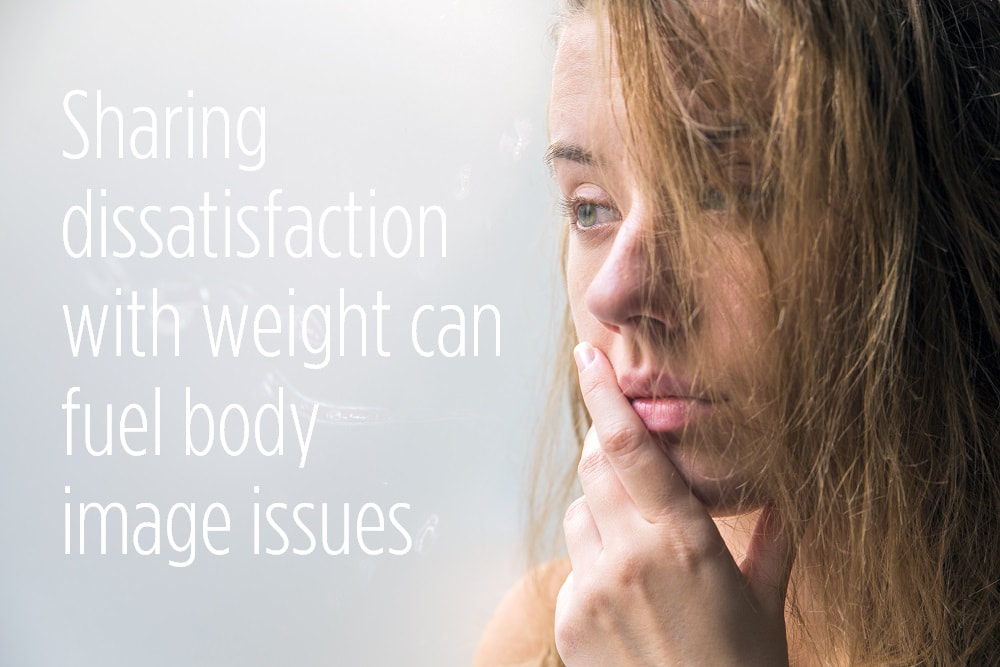
Complaining to friends about flabby arms or big thighs can incite comparison with other women and cultivate body dissatisfaction.
“My arms are so flabby.”
“I hate my thighs.” “My stomach is too big.” How often do you or women you know engage in this sort of ‘fat talk’? According to one recent Australian study, it happens much more often than you might think. The research reveals that during an average week four out of five young women experience ‘fat talk’ about their appearance or another person’s. And even though it might seem like a harmless way to alleviate body dissatisfaction, the opposite is true – fat talk can have a negative effect on body image.
By Maria Tedesco - Clinical Psychologist
One of the most significant experiences for any person is heartbreak. The loss of a loved one through divorce or separation impacts the psychological well-being of a person in a way probably best described by writers, poets and musicians. Why? Because they have a way of capturing the emotional turbulence entwined with the processes of "Falling out of Love".
When you fall out of love,
your soul drowns into a bath of suffocation. It wanders, lost in a realm of pain and heartache, worse than any imaginable nightmare (Logan LaFetch 2013) |
Categories
All
|


RSS Feed