|
Striving for precision may seem like a desirable trait, but research suggests extreme perfectionism is a risk factor for depression, anxiety and eating disorders.
We live in a world dominated by the pursuit of perfection. From how we perform at school and in the workplace, to whether we win a social game of tennis and even how we choose romantic partners and raise our kids, achieving top marks or the best possible outcome has come to define our understanding of success. There’s no doubt that setting goals and having high expectations is a healthy pattern of behaviour, but when these habits are taken to an extreme level it can increase the risk of some of our most common mental health problems. By Maria Tedesco - Clinical Psychologist Christmas, for some people, is a time for family, friends, gifts and holidays. It can also be a time for spirituality, reflection and prayer. Yet, for many it is a difficult time, and there are reasons why this may be the case.
Christmas can be a time of expectation and pressure. Families are supposed to “get along”, and this is not always possible. Some families have endured trauma or conflict amongst their members. There is nothing like the expectation and pressure of Christmas to place a magnifying glass on family feuds, fallouts and breakups. For some, who have experienced bereavement through loss, divorce or separation it can be a very difficult time. Often a Christmas without the person we once loved is a painful time, and a deep ‘solitary sadness’ can be experienced. We understand how important it is to provide real emotional and professional support to people experiencing a hard time during the Christmas holidays period. Clinical psychologists Teresa D’Amato and Maria Tedesco at Thinkwell Psychology are available for consultations during the Christmas period as follows: The team of therapists at Thinkwell Psychology is available for consultations as follows:
Bookings can be made by phone (6361 1275) or online. You haven’t showered in a few days, and you haven’t brushed your teeth yet this morning.
But, your baby is one month old today! You picked out the perfect outfit and made sure the lighting was just right for the perfect photo. You posted the best one on Facebook this morning, and you keep checking to see if anyone has “liked” the picture. But, after scrolling through the “likes” and comments, you notice that your mother-in-law, who is always online, hasn’t responded to the picture of her darling grandbaby yet. Why not? What gives? Perhaps she didn’t see it yet…or maybe she doesn’t like the baby’s outfit. Maybe she thinks you’re not a good mother. And what about that friend of yours from high school? You always “like” and comment on the photos of her kids…why hasn’t she acknowledged your baby’s photo? Perhaps you aren’t such a good mother after all. To some, this scenario might sound ridiculous, but it is a real and frequent consequence of being a new mother and sharing on Facebook. So, when one of my graduate students approached me about creating and including a survey about new parents’ social networking in my latest parenting study, the New Parents Project, I jumped at the chance. I was interested in how often new parents used social networking sites, why some used them more than others, and what the impact might be on new parents’ mental health. Here are some things we found. Social media can offer many benefits to adolescents, connecting them with friends.
We often hear or read about the dangers of young people logging on to social media platforms, such as Facebook, Instagram, Snapchat and Twitter, and other online spaces where they can socially interact, including Youtube, virtual worlds and gaming sites. In the online world, we know adolescents can be exposed to cyberbullying, harassment, sexting, privacy breaches and sexual predators. Despite these negatives, many parents are surprised to discover there are also many real advantages for adolescents in connecting through social media. Research tells us that social media networking can play a vital and positive role in the development of young people and their lives. As children progress into their adolescent years, the way they interact with their family, friends and the wider world changes. These developmental changes also influence how they use social media.
What are our screens and devices doing to us?
Psychologist Adam Alter studies how much time screens steal from us and how they’re getting away with it. He shares why all those hours you spend staring at your smartphone, tablet or computer might be making you miserable – and what you can do about it. BY THE PSYCHLOPAEDIA TEAM - THE AUSTRALIAN PSYCHOLOGICAL SOCIETY In our modern world, the internet has become an integral part of our daily lives, enabling us to be more connected and efficient than ever before.
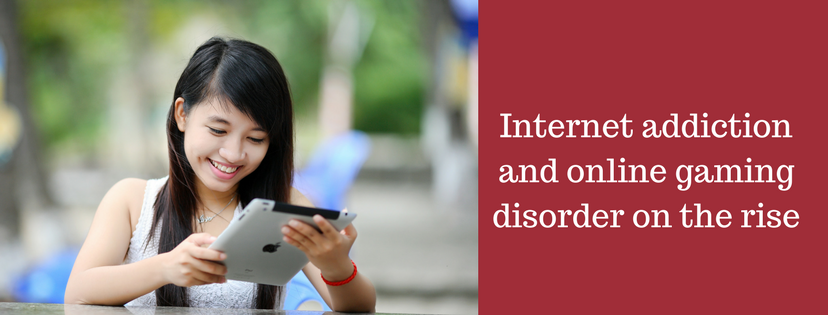
But our move online has also resulted in the serious and growing global phenomenon of internet addiction. What is internet addiction? Internet addiction manifests when excessive internet use starts to affect someone’s life, causing impairment or distress. There are various types of internet addiction, from social networking and gambling to pornography and gaming. Internet gaming addiction, also known as Internet Gaming Disorder (IGD), is now recognised as a mental health condition that can have major consequences for an individual’s wellbeing. Dr Vasileios Stavropoulos, a senior lecturer in clinical psychology and coordinator of the Gaming Research Group at Federation University Australia, says six criteria must be met in order for excessive internet gaming to be classed as an addiction. Viral hoaxes are a way for us to make sense of the turbulent world and manage threat in a safe environment.
Have you heard the one about the guy who went on holiday to Bolivia? You know, he went on a night out and randomly woke up in an ice-filled bathtub after someone had removed his kidney and harvested it for sale. You probably have – it is a popular urban legend. Also known as urban myths or contemporary legends, urban legends refer to widely disseminated, unproven stories of unusual or peculiar events that typically convey cautionary advisement or warnings. They often evoke strong emotional reactions such as horror, shock, revulsion and humour. But how is it that we still buy these tales in the 21st century? The retelling of urban legends over time ensures that they become part of public record and explains why they are so well known. Common examples include “Bloody Mary” – a woman who was once supposedly executed for being a witch and who will show her face in the mirror if you call on her. Hookman, which tells the story of a killer with a hook for a hand attacking a couple in a parked car, and the Vanishing Hitchhiker are also well known legends. BY THE PSYCHLOPAEDIA TEAM - THE AUSTRALIAN PSYCHOLOGICAL SOCIETY In 2003 a landmark study revealed what psychologists had long suspected: that people who experience positive emotions are at a reduced risk of disease. Researchers assessed a group of 334 people aged 18 to 54 for their tendency to experience positive emotions like happiness, pleasure and relaxation along with negative emotions like anxiety, hostility and depression. Participants were then injected with nasal drops containing the common cold. People who expressed more positive emotions were less likely to develop the common cold, and the relationship was so strong that it held across age, gender, education, race, body mass and even season. Since then, psychologists have continued to probe the link between feeling good and being well in a new field of research called ‘positive psychology’. Importantly, this new discipline extends beyond disease models of health such as whether we have a cold and seeks to define what it means to be healthy in positive terms. “22 of the Cutest Baby Animals,” the headline said. “You won’t believe number 11!”
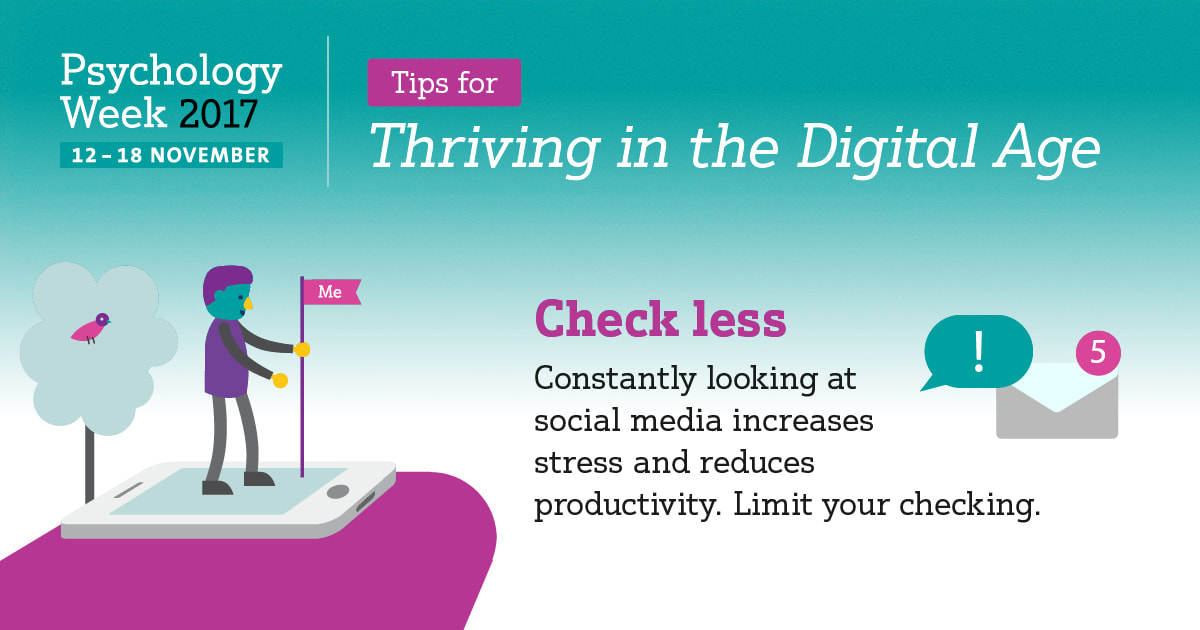
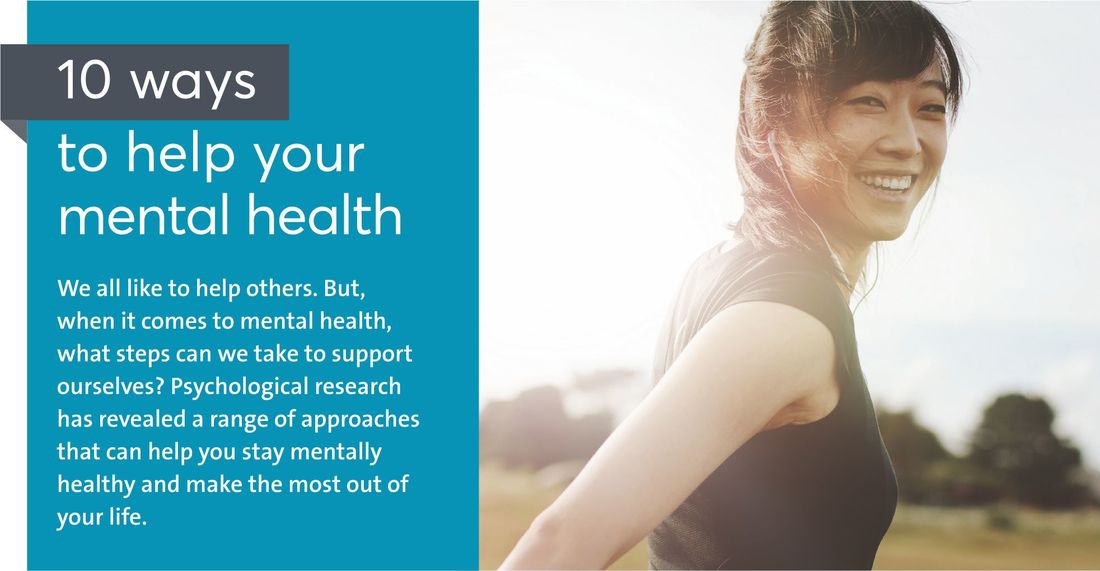
Despite an impending deadline – not to mention my skepticism (how cute could they possibly be?) – I clicked on the story. I’m only human, after all. Yet this failure in self-regulation cost me at least half an hour of good work time – as have other clickbait headlines, bizarre images on my Twitter feed or arguments on Facebook. The insidious, distracting suck of the Internet has become seemingly inescapable. Calling us from our pockets, lurking behind work documents, it’s merely a click away. Studies have shown that each day we spend, on average, five and a half hours on digital media, and glance at our phones 221 times. Meanwhile, the developers of websites and phone apps all exploit human behavioral tendencies, designing their products and sites in ways that attract our gaze – and retain it. Writing for Aeon, Michael Schulson points out, developers have staked their futures on methods to cultivate habits in users, in order to win as much of that attention as possible. Given the Internet’s omnipresence and its various trappings, is it even possible to rein in our growing Internet consumption, which often comes at the expense of work, family or relationships? Psychological research on persuasion and self-control suggests some possible strategies. We all like to help others. But, when it comes to mental health, what steps can we take to support ourselves?
Psychological research has revealed a range of approaches that can help you stay mentally healthy and make the most out of your life.
|
Categories
All
|

RSS Feed