|
BY JOSEPH PAUL FORGAS, SCIENTIA PROFESSOR OF PSYCHOLOGY, UNSW Photo source: Freepik The range of human emotions includes many more negative than positive feelings for good reason
Homo sapiens is a very moody species. Even though sadness and bad moods have always been part of the human experience, we now live in an age that ignores or devalues these feelings. In our culture, normal human emotions like temporary sadness are often treated as disorders. Manipulative advertising, marketing and self-help industries claim happiness should be ours for the asking. Yet bad moods remain an essential part of the normal range of moods we regularly experience. Despite the near-universal cult of happiness and unprecedented material wealth, happiness and life satisfaction in Western societies has not improved for decades. It’s time to re-assess the role of bad moods in our lives. We should recognise they are a normal, and even a useful and adaptive part of being human, helping us cope with many everyday situations and challenges. BY JOANNA DOLEY, PHD CANDIDATE, SCHOOL OF PSYCHOLOGY AND PUBLIC HEALTH, LA TROBE UNIVERSITY, SUSAN J PAXTON FAPS, PROFESSOR, SCHOOL OF PSYCHOLOGY AND PUBLIC HEALTH, LA TROBE UNIVERSITY Unhelpful stereotypes that disguise the true extent of eating disorders are present in the Netflix series
To the Bone – a film about a turning point in a young woman’s battle with anorexia nervosa – has attracted comment from mental health professionals and advocates. Critics have concerns it could cause or worsen eating disorder symptoms. The writer-director of To the Bone assured audiences she wished to dispel myths, not do harm. So which aspects of the new film might do harm, and which might educate the audience in a positive way? How might the film cause harm? BY SIMON MCCARTHY-JONES, ASSOCIATE PROFESSOR IN CLINICAL PSYCHOLOGY AND NEUROPSYCHOLOGY, TRINITY COLLEGE DUBLIN
Photo credit: Freepik Medicare rebates are available for psychological treatment by registered psychologists under the Australian Government's Better Access to Mental Health Care initiative. This scheme provides considerable assistance to people living with mental health problems, allowing them greater access to psychologists and providing more affordable mental healthcare.
Under this scheme individuals diagnosed with a mental health disorder can access up to 10 individual and 10 group treatment sessions per year. Striving for precision may seem like a desirable trait, but research suggests extreme perfectionism is a risk factor for depression, anxiety and eating disorders.
We live in a world dominated by the pursuit of perfection. From how we perform at school and in the workplace, to whether we win a social game of tennis and even how we choose romantic partners and raise our kids, achieving top marks or the best possible outcome has come to define our understanding of success. There’s no doubt that setting goals and having high expectations is a healthy pattern of behaviour, but when these habits are taken to an extreme level it can increase the risk of some of our most common mental health problems.
What are our screens and devices doing to us?
Psychologist Adam Alter studies how much time screens steal from us and how they’re getting away with it. He shares why all those hours you spend staring at your smartphone, tablet or computer might be making you miserable – and what you can do about it. Viral hoaxes are a way for us to make sense of the turbulent world and manage threat in a safe environment.
Have you heard the one about the guy who went on holiday to Bolivia? You know, he went on a night out and randomly woke up in an ice-filled bathtub after someone had removed his kidney and harvested it for sale. You probably have – it is a popular urban legend. Also known as urban myths or contemporary legends, urban legends refer to widely disseminated, unproven stories of unusual or peculiar events that typically convey cautionary advisement or warnings. They often evoke strong emotional reactions such as horror, shock, revulsion and humour. But how is it that we still buy these tales in the 21st century? The retelling of urban legends over time ensures that they become part of public record and explains why they are so well known. Common examples include “Bloody Mary” – a woman who was once supposedly executed for being a witch and who will show her face in the mirror if you call on her. Hookman, which tells the story of a killer with a hook for a hand attacking a couple in a parked car, and the Vanishing Hitchhiker are also well known legends. BY THE PSYCHLOPAEDIA TEAM - THE AUSTRALIAN PSYCHOLOGICAL SOCIETY In 2003 a landmark study revealed what psychologists had long suspected: that people who experience positive emotions are at a reduced risk of disease. Researchers assessed a group of 334 people aged 18 to 54 for their tendency to experience positive emotions like happiness, pleasure and relaxation along with negative emotions like anxiety, hostility and depression. Participants were then injected with nasal drops containing the common cold. People who expressed more positive emotions were less likely to develop the common cold, and the relationship was so strong that it held across age, gender, education, race, body mass and even season. Since then, psychologists have continued to probe the link between feeling good and being well in a new field of research called ‘positive psychology’. Importantly, this new discipline extends beyond disease models of health such as whether we have a cold and seeks to define what it means to be healthy in positive terms. “22 of the Cutest Baby Animals,” the headline said. “You won’t believe number 11!”
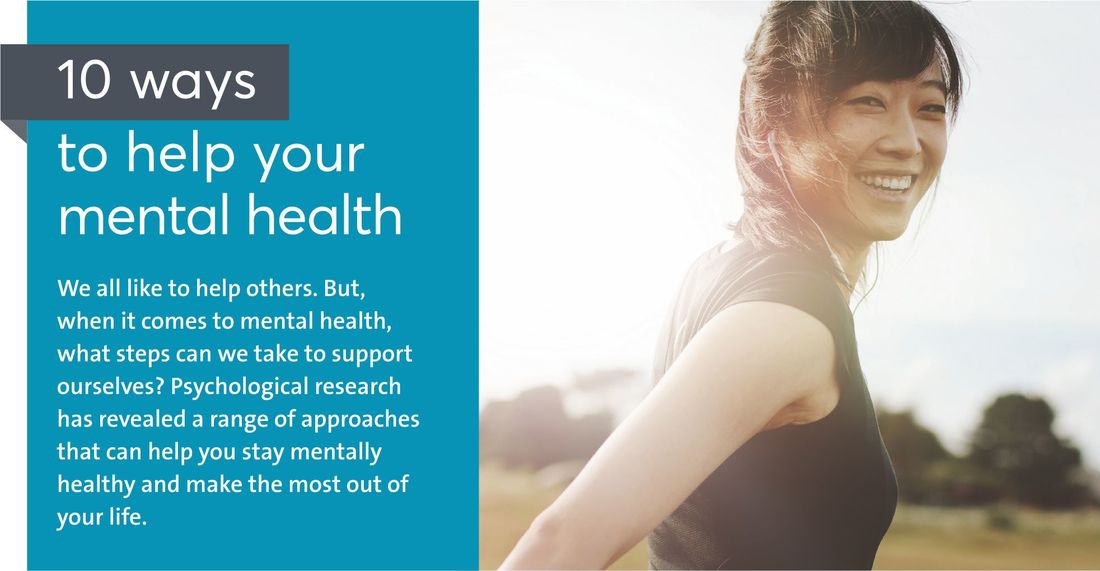
Despite an impending deadline – not to mention my skepticism (how cute could they possibly be?) – I clicked on the story. I’m only human, after all. Yet this failure in self-regulation cost me at least half an hour of good work time – as have other clickbait headlines, bizarre images on my Twitter feed or arguments on Facebook. The insidious, distracting suck of the Internet has become seemingly inescapable. Calling us from our pockets, lurking behind work documents, it’s merely a click away. Studies have shown that each day we spend, on average, five and a half hours on digital media, and glance at our phones 221 times. Meanwhile, the developers of websites and phone apps all exploit human behavioral tendencies, designing their products and sites in ways that attract our gaze – and retain it. Writing for Aeon, Michael Schulson points out, developers have staked their futures on methods to cultivate habits in users, in order to win as much of that attention as possible. Given the Internet’s omnipresence and its various trappings, is it even possible to rein in our growing Internet consumption, which often comes at the expense of work, family or relationships? Psychological research on persuasion and self-control suggests some possible strategies. We all like to help others. But, when it comes to mental health, what steps can we take to support ourselves?
Psychological research has revealed a range of approaches that can help you stay mentally healthy and make the most out of your life.
|
Categories
All
|

RSS Feed