|
By Maria Tedesco - Clinical Psychologist
One of the most significant experiences for any person is heartbreak. The loss of a loved one through divorce or separation impacts the psychological well-being of a person in a way probably best described by writers, poets and musicians. Why? Because they have a way of capturing the emotional turbulence entwined with the processes of "Falling out of Love".
When you fall out of love,
your soul drowns into a bath of suffocation. It wanders, lost in a realm of pain and heartache, worse than any imaginable nightmare (Logan LaFetch 2013) How neuroscience applied to psychotherapy can improve our mental health and overall well-being6/24/2017
By Teresa D'Amato - Senior Clinical Psychologist MAPS, MACPA, MIACN Welcome to winter and the middle of the year! I hope the first half of the year has been filled with experiences that have been enjoyable and/or experiences that we can learn and grow from.
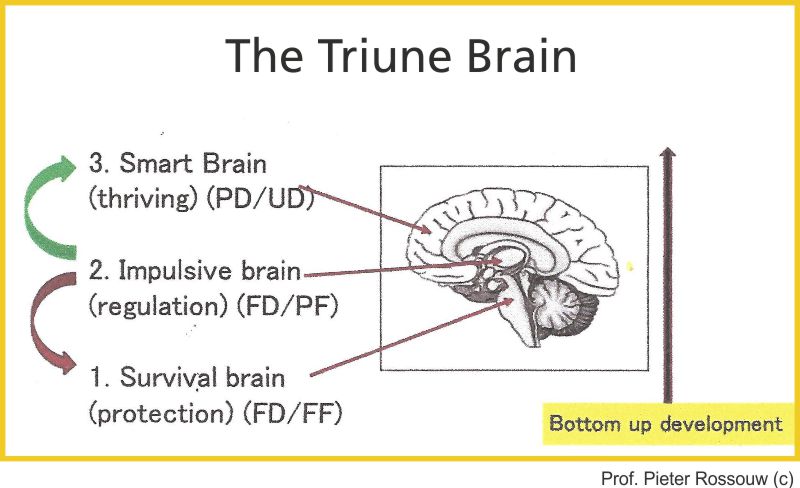
I've recently attended the first International Conference of Neuropsychotherapy and pre-conference workshops, held at the Royal Brisbane and Women’s Hospital in Brisbane from 23 to 26 May 2017. The conference was brought about from an ever increasing global interest of professionals working from a brain-based perspective. The main theme of the conference was "Neuroscience Research to Applied Practice" and focused on scientific evidence-based research and its practical application in various domains including: psychopathology, resilience, pain, grief and loss, sport and performance maximisation, attachment and development through the lifespan, education and wellness. Leading world renowned experts from Australia, Canada, USA, South Africa, United Kingdom, Singapore, Indonesia and New Zealand addressed the attendees in their specialist field. Recent Neuroscience research has given us an understanding into the many factors that improve mental health and well-being. Neuropsychotherapy focuses on the neural processes that underpin human responses including memory, thoughts, sensations, behaviors, emotions, and social interactions and it gives guidelines and strategies to address unhelpful functioning in these areas and improve overall wellbeing based on current neuroscience research findings. |
Categories
All
|

RSS Feed