|
BY ANTONINA MIKOCKA-WALUS, SENIOR LECTURER IN HEALTH PSYCHOLOGY, DEAKIN UNIVERSITY Talk therapy can help those with chronic gastrointestinal conditions
It’s widely recognised that emotions can directly affect stomach function. As early as 1915, influential physiologist Walter Cannon noted that stomach functions are changed in animals when frightened. The same is true for humans. Those who stress a lot often report diarrhoea or stomach pain. We now know this is because the brain communicates with the gastrointestinal system. A whole ecosystem comprising 100 trillion bacteria living in our bowels is an active participant in this brain-gut chat. Recent discoveries around this relationship have made us consider using talk therapy and antidepressants as possible treatments for symptoms of chronic gut problems. The aim is to interfere with the conversation between the two organs by telling the brain to repair the faulty bowel. Our research found talk therapy can improve depression and the quality of life of patients with gastrointestinal conditions. Antidepressants may also have a beneficial effect on both the course of a bowel disease and accompanying anxiety and depression. BY JOANNA DOLEY, PHD CANDIDATE, SCHOOL OF PSYCHOLOGY AND PUBLIC HEALTH, LA TROBE UNIVERSITY, SUSAN J PAXTON FAPS, PROFESSOR, SCHOOL OF PSYCHOLOGY AND PUBLIC HEALTH, LA TROBE UNIVERSITY Unhelpful stereotypes that disguise the true extent of eating disorders are present in the Netflix series
To the Bone – a film about a turning point in a young woman’s battle with anorexia nervosa – has attracted comment from mental health professionals and advocates. Critics have concerns it could cause or worsen eating disorder symptoms. The writer-director of To the Bone assured audiences she wished to dispel myths, not do harm. So which aspects of the new film might do harm, and which might educate the audience in a positive way? How might the film cause harm? BY SIMON MCCARTHY-JONES, ASSOCIATE PROFESSOR IN CLINICAL PSYCHOLOGY AND NEUROPSYCHOLOGY, TRINITY COLLEGE DUBLIN
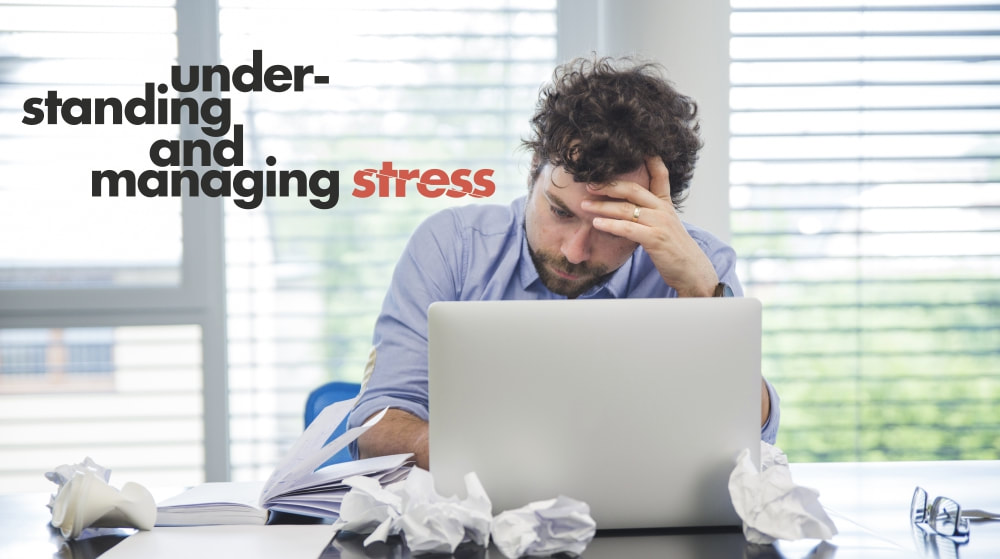
Stress is often described as a feeling of being overloaded, wound-up tight, tense and worried. We all experience stress at times. It can sometimes help to motivate us to get a task finished,or perform well. But stress can also be harmful if we become over-stressed and it interferes with our ability to get on with our normal life for long.
What are the signs of stress? What types of stress are there? When to seek professional help? For tips on how to manage everyday stress, download our Stress Tips Sheet. Striving for precision may seem like a desirable trait, but research suggests extreme perfectionism is a risk factor for depression, anxiety and eating disorders.
We live in a world dominated by the pursuit of perfection. From how we perform at school and in the workplace, to whether we win a social game of tennis and even how we choose romantic partners and raise our kids, achieving top marks or the best possible outcome has come to define our understanding of success. There’s no doubt that setting goals and having high expectations is a healthy pattern of behaviour, but when these habits are taken to an extreme level it can increase the risk of some of our most common mental health problems. BY THE PSYCHLOPAEDIA TEAM - THE AUSTRALIAN PSYCHOLOGICAL SOCIETY In our modern world, the internet has become an integral part of our daily lives, enabling us to be more connected and efficient than ever before.
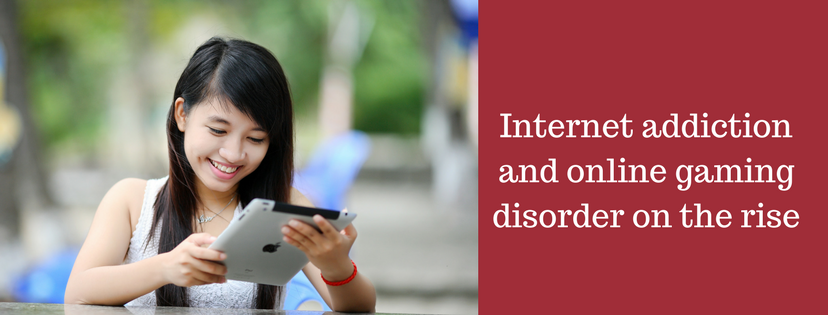
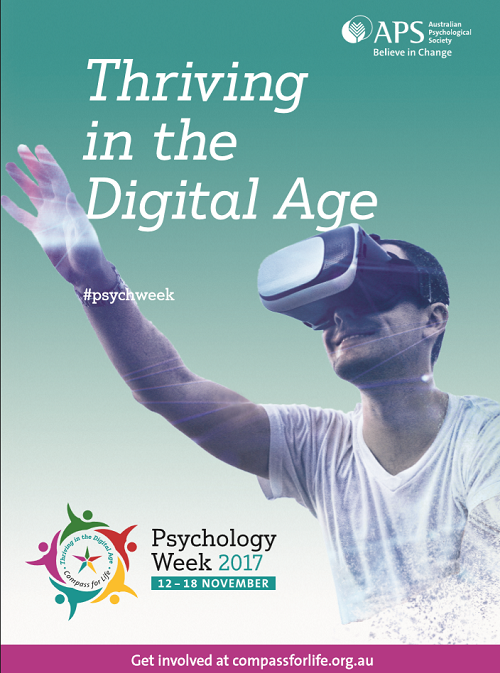
But our move online has also resulted in the serious and growing global phenomenon of internet addiction. What is internet addiction? Internet addiction manifests when excessive internet use starts to affect someone’s life, causing impairment or distress. There are various types of internet addiction, from social networking and gambling to pornography and gaming. Internet gaming addiction, also known as Internet Gaming Disorder (IGD), is now recognised as a mental health condition that can have major consequences for an individual’s wellbeing. Dr Vasileios Stavropoulos, a senior lecturer in clinical psychology and coordinator of the Gaming Research Group at Federation University Australia, says six criteria must be met in order for excessive internet gaming to be classed as an addiction. By Teresa D'Amato - Senior Clinical Psychologist MAPS, MACPA, MIACN Thriving in the digital age requires making the most of our ability to connect but avoiding overload, according to the Australian Psychological Society, which has released tips for evading the pitfalls of the online world for Psychology Week 2017. Psychology Week is an annual initiative of the Australian Psychological Society that aims to increase public awareness of how psychology can help Australians lead healthier, happier and more meaningful lives. This year the focus will be Thriving in the digital age and ways to help Australians improve their happiness and wellbeing. Social media has become a really important means of communicating and is basically integral to most of our lives in one form or other. However, we have also seen it affect people’s behaviour in some less than positive ways. Disagreeing and name calling have become common online and that behaviour can easily become anti-social drifting into trolling, stalking or cyberbullying, while constant notifications can leave us anxious and distracted. Here are 8 simple strategies that can help ensure you have a positive experience online and you aren’t being ruled by your technology.
Attention Deficit Hyperactivity Disorder - or ADHD - affects one in 20 children worldwide. Many children and adolescents struggle at school or home but psychologists have developed a 'toolkit' of skills and approaches that can help parents, carers and teachers bring the best out in those with the disorder.
Clynical psychologist EMMA SCIBERRAS (MAPS) explains what these approaches are.
BY PROFESSOR MICHAEL KYRIOS. FAPS
AUSTRALIAN NATIONAL UNIVERSITY EXPERT IN OBSESSIVE-COMPULSIVE SPECTRUM DISORDERS AND BEHAVIOURAL ADDICTIONS
Donald Trump has famously professed an aversion to germs. But when does distaste become a disorder?
What is germaphobia? Germaphobia (sometimes spelt germophobia) is a term used by psychologists to describe a pathological fear of germs, bacteria, microbes, contamination and infection. It is known by a range of other terms including mysophobia (fear of uncleanliness), verminophobia, bacillophobia, bacteriophobia. Other terms which relate to an abnormal fear of dirt and filth include molysmophobia or molysomophobia, rhypophobia, and rupophobia. Is there any relationship to obsessive-compulsive disorder? The problems associated with germaphobia are closely related to obsessive-compulsive disorder (OCD). From studies in the US and other Western countries we known around one-quarter to one-third of people with OCD have contamination fears and associated decontamination rituals such as compulsive handwashing, washing and cleaning compulsions, and avoidance of potential contaminants. Studies from the Middle East reveal a higher prevalence of washing and cleaning rituals in OCD samples (between 50 per cent and 80 per cent), with females twice as likely to present with such difficulties.
BY THE PSYCHLOPAEDIA TEAM - THE AUSTRALIAN PSYCHOLOGICAL SOCIETY
Photo source: Designed by yanalya / Freepik
|
Categories
All
|


RSS Feed