THINKWELL PSYCHOLOGY, ATTADALE, WA
  • Home
  • Services
  • Approaches
    • Cognitive Behaviour Therapy (CBT)
    • Interpersonal Psychotherapy (IPT)
    • Mindfulness
    • Mindfulness-Based Cognitive Therapy
    • Acceptance and Commitment Therapy (ACT)
    • Dialectical Behaviour Therapy (DBT)
    • Neuropsychotherapy
    • Schema Focused Therapy
    • Eye movement desensitization and reprocessing (EMDR)
    • Emotion Focused Therapy (EFT)
  • Our Team
    • PRACTICE GALLERY
  • NEWS
  • Booking
  • Contact
​15B / 550 Canning Hwy, ​Attadale
☎ 6361 1275
REQUEST APPOINTMENT ►

Are you a perfectionist?

12/26/2017

 
Picture
Striving for precision may seem like a desirable trait, but research suggests extreme perfectionism is a risk factor for depression, anxiety and eating disorders.

We live in a world dominated by the pursuit of perfection. From how we perform at school and in the workplace, to whether we win a social game of tennis and even how we choose romantic partners and raise our kids, achieving top marks or the best possible outcome has come to define our understanding of success.
​
There’s no doubt that setting goals and having high expectations is a healthy pattern of behaviour, but when these habits are taken to an extreme level it can increase the risk of some of our most common mental health problems.

Read More

Why our screens make us less happy

11/16/2017

 
What are our screens and devices doing to us?
Psychologist Adam Alter studies how much time screens steal from us and how they’re getting away with it.
He shares why all those hours you spend staring at your smartphone, tablet or computer might be making you miserable – and what you can do about it.

How being positive improves your health

11/15/2017

 
BY THE PSYCHLOPAEDIA TEAM - THE AUSTRALIAN PSYCHOLOGICAL SOCIETY
Picture
In 2003 a landmark study revealed what psychologists had long suspected: that people who experience positive emotions are at a reduced risk of disease.
​
Researchers assessed a group of 334 people aged 18 to 54 for their tendency to experience positive emotions like happiness, pleasure and relaxation along with negative emotions like anxiety, hostility and depression. Participants were then injected with nasal drops containing the common cold.
​
People who expressed more positive emotions were less likely to develop the common cold, and the relationship was so strong that it held across age, gender, education, race, body mass and even season.
Since then, psychologists have continued to probe the link between feeling good and being well in a new field of research called ‘positive psychology’. Importantly, this new discipline extends beyond disease models of health such as whether we have a cold and seeks to define what it means to be healthy in positive terms.


Read More

The quest for digital superfoods

11/14/2017

 
Picture
Jocelyn Brewer MAPS introduces us to the concept of Digital Nutrition, an award-winning framework for teaching the principles of a healthy, balanced relationship with technology.

Digital nutrition borrows from the healthy eating pyramid and food nutrition principles to communicate key concepts around screen-time limits, digital citizenship and impulse control, and evaluates the cognitive benefits of apps and games.
​
It is not about a digital ‘diet’ or ‘detox’, but about a positive, long term relationship with cyberspace that allows us to get the best out of technology, while avoiding the pitfalls of ‘internet addiction’. Are there healthy life choices for digital consumption? Are there digital superfoods?
​#psychweek

Why ‘fat talk’ can lead to poor body image

9/25/2017

 
BY THE PSYCHLOPAEDIA TEAM - THE AUSTRALIAN PSYCHOLOGICAL SOCIETY
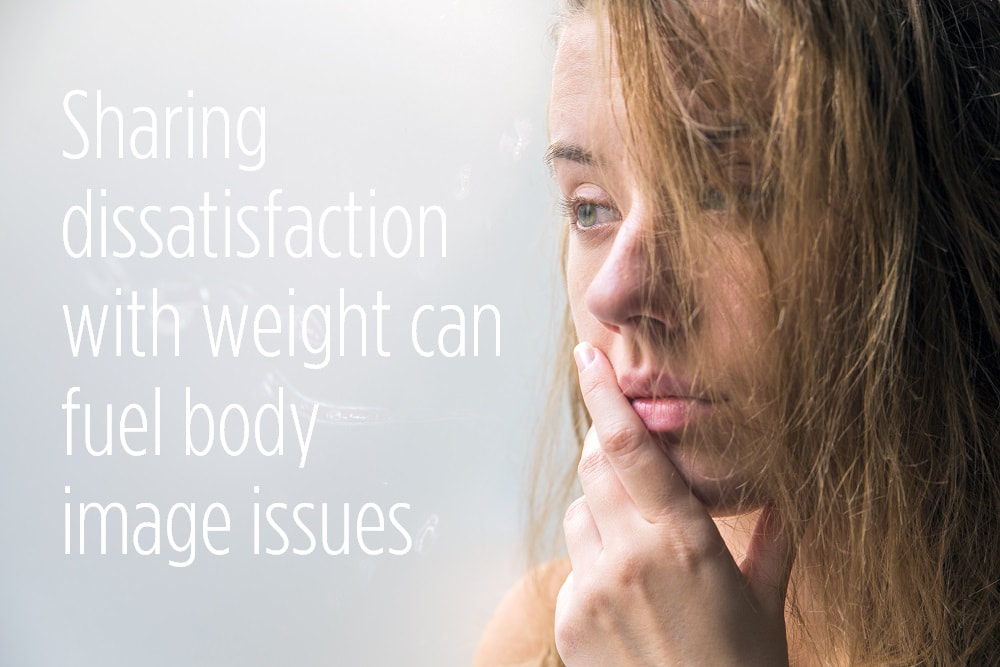
Sharing dissatisfaction with weight can fuel body image issues
Photo source: Designed by Dragana_Gordic / Freepik
Complaining to friends about flabby arms or big thighs can incite comparison with other women and cultivate body dissatisfaction.
“My arms are so flabby.”
“I hate my thighs.”
“My stomach is too big.”

How often do you or women you know engage in this sort of ‘fat talk’? According to one recent Australian study, it happens much more often than you might think.
​
The research reveals that during an average week four out of five young women experience ‘fat talk’ about their appearance or another person’s. And even though it might seem like a harmless way to alleviate body dissatisfaction, the opposite is true – fat talk can have a negative effect on body image.

Read More

How neuroscience applied to psychotherapy can improve our mental health and overall well-being

6/24/2017

 
By ​Teresa D'Amato - Senior Clinical Psychologist MAPS, MACPA, MIACN
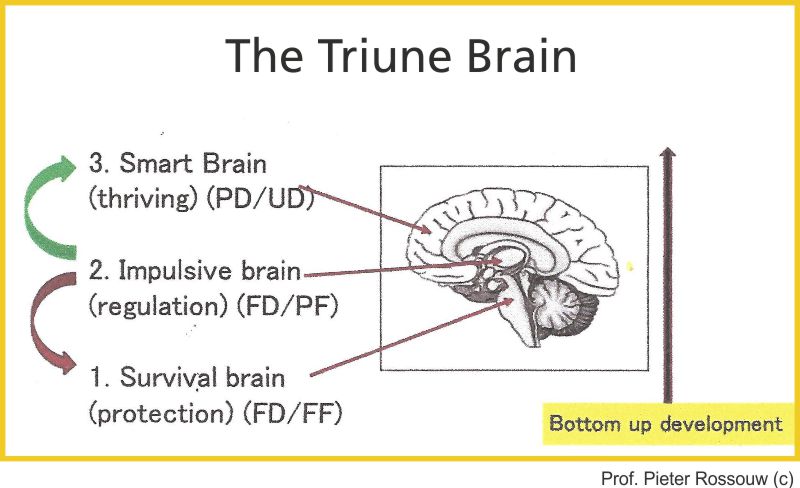
The Triune Brain
Welcome to winter and the middle of the year! I hope the first half of the year has been filled with experiences that have been enjoyable and/or experiences that we can learn and grow from.

I've recently attended the first International Conference of Neuropsychotherapy and pre-conference workshops, held at the Royal Brisbane and Women’s Hospital in Brisbane from 23 to 26 May 2017. The conference was brought about from an ever increasing global interest of professionals working from a brain-based perspective. The main theme of the conference was "Neuroscience Research to Applied Practice" and focused on scientific evidence-based research and its practical application in various domains including: psychopathology, resilience, pain, grief and loss, sport and performance maximisation, attachment and development through the lifespan, education and wellness. Leading world renowned experts from Australia, Canada, USA, South Africa, United Kingdom, Singapore, Indonesia and New Zealand addressed the attendees in their specialist field.

Recent Neuroscience research has given us an understanding into the many factors that improve mental health and well-being. Neuropsychotherapy focuses on the neural processes that underpin human responses including memory, thoughts, sensations, behaviors, emotions, and social interactions and it gives guidelines and strategies to address unhelpful functioning in these areas and improve overall wellbeing based on current neuroscience research findings.

Read More
Forward>>

    Categories

    All
    Achieving A Balanced Life
    Achieving Purpose And Direction
    Adolescence
    Anxiety
    Behaviour
    Body Image
    Brain Research
    Cognitive Behavioural Therapy
    Couples Counselling
    Depression Management
    Disorders
    Grief
    Handling Trauma
    Health Research
    Healthy Digital Life
    Improving Self Worth
    Improving Self-worth
    Life Style
    Loneliness
    Manage Challenges
    Medicare
    Mental Health
    Neuropsychotherapy
    Neuroscience
    OCD
    Parenting
    Personal Development'
    Personal Relationships
    Reducing Stress
    Wellbeing

    RSS Feed

Thinkwell Psychology Perth


15B / 550 CANNING HIGHWAY
ATTADALE  (ATTADALE BUSINESS CENTRE)

PH: (08) 6361 1275   |   FAX: (08) 6361 1318 
Health rebates available at Thinkwell Psychology
Bookings

Dr Teresa D'Amato
TERESA D’AMATO
CLINICAL PSYCHOLOGIST
B.A. Psych (Hons) | M. Psych (Clinical) | MAPS | MACPA | MIAAN
EMAIL
Professional Membership Thinkwell Psychology

Copyright  ©2023 Thinkwell Psychology. All rights reserved.
Website developed by Ablaze Marketing
  • Home
  • Services
  • Approaches
    • Cognitive Behaviour Therapy (CBT)
    • Interpersonal Psychotherapy (IPT)
    • Mindfulness
    • Mindfulness-Based Cognitive Therapy
    • Acceptance and Commitment Therapy (ACT)
    • Dialectical Behaviour Therapy (DBT)
    • Neuropsychotherapy
    • Schema Focused Therapy
    • Eye movement desensitization and reprocessing (EMDR)
    • Emotion Focused Therapy (EFT)
  • Our Team
    • PRACTICE GALLERY
  • NEWS
  • Booking
  • Contact